Unlocking Creativity with Pastel Polka Dot Digital Paper
There is a specific kind of visual comfort in a well-executed pattern. It doesn't scream for attention, but it holds it. This is the power of the Pastel Polka Dot Digital Paper. It’s not just a collection of dots on a soft background; it’s a versatile design asset that serves as a foundational element for a wide range of creative projects. Whether you are building a brand identity for a boutique bakery or designing a line of greeting cards, this pattern offers a blend of playful charm and professional polish that is surprisingly difficult to achieve with more complex graphics.
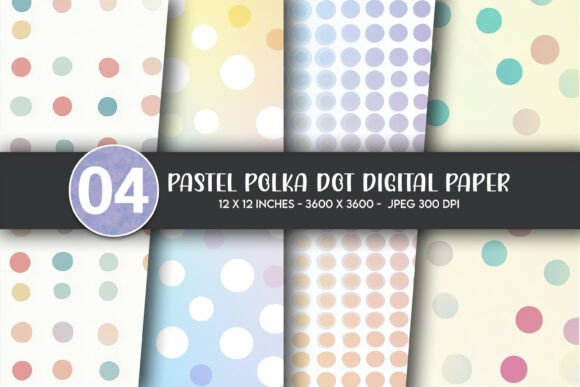
At its core, this digital paper is defined by its gentle aesthetic. The pastel palette—think soft lavenders, muted peaches, tranquil mint greens, and creamy yellows—evokes a sense of calm and approachability. The polka dots themselves are perfectly spaced, creating a rhythm that is orderly yet not rigid. This balance is key to its appeal. It avoids the visual noise that can make a design feel cluttered, while still providing enough texture to make flat backgrounds interesting. The style leans into a modern, minimalist sensibility, but with a touch of whimsy that prevents it from feeling sterile. It’s a type of creative font in pattern form, offering a consistent voice that is friendly, gentle, and undeniably stylish.
The Practical Power of a Polished Pattern
Understanding where a pattern like this excels is about recognizing its personality and matching it to a project's goals. The Pastel Polka Dot Digital Paper is a chameleon, adapting its tone based on its context. For packaging design, it can wrap a product in a feeling of care and quality—imagine a jewelry box lined with a soft pink version or a cosmetics bag featuring a mint green variant. In editorial design, it serves as a sophisticated background for magazine spreads, particularly for features on lifestyle, children's products, or wellness, where it adds visual interest without competing with headlines or photography.
Digital applications are where its versatility truly shines. As a background for social media graphics, it creates a cohesive and recognizable feed for brands in the fashion, home decor, or stationery space. For web design, a subtle implementation—perhaps as a section divider or a header background—can soften a corporate aesthetic and make a website feel more inviting. The pattern’s inherent consistency is a major asset for brand identity. Using it across a logo's background, business cards, and website elements builds a visual language that is immediately recognizable and fosters audience trust. It’s a form of modern typography through pattern, establishing a tone before a single word is read.
From Digital File to Tangible Product
The true test of a premium font or design asset is its performance in the real world, and this digital paper delivers. The included files are optimized for high-quality output, which is non-negotiable for professional work. A high-resolution 300 DPI ensures that every dot is crisp, whether it’s printed on a large-scale wall art poster or etched onto a ceramic mug. The 3600x3600 pixel size provides ample canvas for most projects, allowing for scaling and cropping without loss of clarity. This technical specification is what separates a professional design asset from an amateur one, ensuring your final product looks polished and intentional.
Practical application is straightforward. The four JPG files offer variety, allowing you to choose the perfect colorway for your project. This is particularly useful for creating coordinated product lines. A crafter could use the lavender version for throw pillows, the peach for tote bags, and the mint for stickers, creating a collection that feels unified yet varied. For entrepreneurs and small business owners, this pattern is a cost-effective way to produce professional-looking merchandise like t-shirts and onesies without commissioning custom textile design. The licensing is typically straightforward for commercial use, but it’s always prudent to review the terms to ensure they align with your intended scope, especially for large-scale manufacturing.
Integrating the Pattern into Your Design Workflow
Choosing to use a pattern like the Pastel Polka Dot Digital Paper is a design decision that should be intentional. Start by evaluating the project's emotional core. Is the goal to feel joyful and youthful? Or calm and sophisticated? This pattern leans toward the former, but its simplicity allows it to be styled in either direction. Pair it with a clean, sans-serif typeface for a modern, balanced look, or combine it with a delicate script font for a more romantic feel. The key is font pairing that complements, not competes.
Consider visual hierarchy. When using a busy pattern, foreground elements must stand out. Use solid colors or high-contrast typography to ensure your message—whether it’s a logo, a headline, or a call-to-action—remains the focal point. Test the pattern at scale. What looks charming on a business card might feel overwhelming on a large poster if not used thoughtfully. Often, the most effective use is as an accent—behind a photo, as a border, or on a single product surface—rather than covering an entire, vast space.
Ultimately, the value of a resource like this lies in its ability to solve creative problems efficiently. It provides a tested, beautiful starting point that can accelerate your workflow and elevate your output. It’s a tool for designers, entrepreneurs, and creators who understand that great design is often built from simple, well-chosen components. The Pastel Polka Dot Digital Paper is more than just a downloadable file; it’s a versatile element ready to be transformed into something that connects with people, builds brands, and brings creative visions to life with a touch of soft-spoken elegance.